



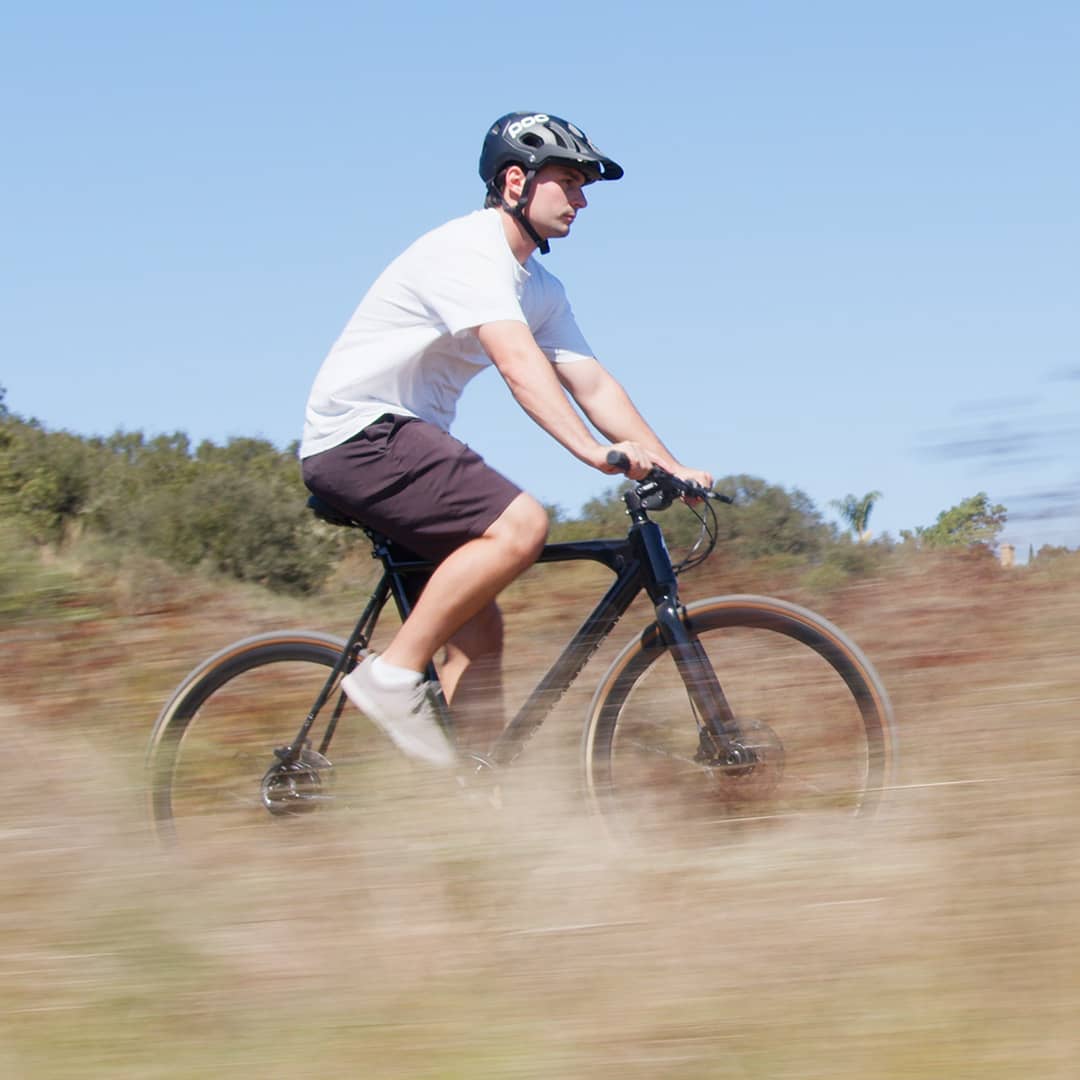
Quick answer: Electric bikes are sorted into three classes based on top speed and whether they have a throttle. Class 1 and Class 3 are pedal-assist only; Class 2 adds a throttle. Class 1 and 2 top out at 20 mph, Class 3 at 28 mph. Most states use this same three-class system, but helmet and age rules shift depending on where you live.
If you've been shopping for an e-bike, you've probably seen "Class 1," "Class 2," or "Class 3" listed in the specs and wondered what it actually means for how — and where — you're allowed to ride. Here's the breakdown, in plain English.
What Is the E-Bike Class System?
The three-class system was created so e-bikes could be regulated more like bicycles and less like mopeds or motorcycles. It was adopted first by California in 2015, and most states have followed since. As of 2026, the large majority of states use this same framework, though a handful — like New Jersey — have moved to their own rules, so it's worth a quick check on your state if you're ever unsure.
Classification depends on two things: how the motor delivers power (pedal-assist vs. throttle) and how fast the motor will assist you.
Class 1: Pedal-Assist, Up to 20 MPH
Class 1 e-bikes only provide power while you're pedaling — there's no throttle. The motor assists up to 20 mph, then cuts off. This is the closest experience to a regular bike, just with a meaningful boost.
-
No throttle
-
Motor assist caps at 20 mph
-
Generally allowed anywhere a regular bicycle is allowed, including most bike paths and multi-use trails
Class 2: Throttle-Assist, Up to 20 mph
Class 2 e-bikes have a throttle, so you can get moving without pedaling at all — useful for starting from a stop or just cruising. Like Class 1, the assist is capped at 20 mph.
-
Throttle included (you can ride without pedaling)
-
Motor assist caps at 20 mph
-
Usually allowed wherever Class 1 bikes are, though some trails restrict throttle bikes specifically — worth a quick check locally
Class 3: Pedal-Assist, Up to 28 mph
Class 3 e-bikes are pedal-assist only (no throttle in most states' definitions) but the motor keeps assisting up to 28 mph. This is the category for riders who want a faster commute or more power on longer routes.
-
No throttle in most states (a few allow a throttle limited to a much lower speed, like 20 mph, alongside the higher pedal-assist cap)
-
Motor assist caps at 28 mph
-
Often restricted to roads and bike lanes — many states limit or prohibit Class 3 bikes on multi-use paths and trails
-
Helmets are required in most states that have adopted the class system, regardless of rider age
-
Many states set a minimum age (commonly 16) to legally operate a Class 3 e-bike
Class Comparison at a Glance
|
Class 1 |
Class 2 |
Class 3 |
|
|---|---|---|---|
|
Throttle |
No |
Yes |
No (in most states) |
|
Top assisted speed |
20 mph |
20 mph |
28 mph |
|
Helmet required |
Varies by state/age |
Varies by state/age |
Required in most adopting states |
|
Trail/path access |
Widest |
Wide, some trail limits |
Most restricted |
|
Best for |
Casual riding, commuting, trails |
Easy starts, throttle convenience |
Faster commuting, longer routes |
Which Superhuman Bikes Fall Into Each Class
This is the part that actually matters when you're choosing a bike: the class isn't just a legal label, it tells you how the bike will feel to ride and where you can take it.
Hub motor, Class 1/2 territory: The Babymaker II Pro, Babymaker II Classic, and Photon are tuned for the 20 mph commuter range — smooth, simple, and built for everyday riding without thinking about speed-restricted zones.
Mid-drive, Class 3 territory: The F5 Trail, Moonrider, and Blade 2.0 deliver assist into the upper-20s mph range, which puts them solidly in Class 3 territory for road and bike-lane riding — ideal if your commute is longer or hillier and you want the motor to keep helping past 20 mph.
Performance / off-road: The Weapon and Champ Pro Electric Dirt Bike are built for trail and off-road performance beyond standard class limits, and are intended for off-road use rather than public road/path riding under the class system.
If you're not sure which class fits your commute, our city commuting guide breaks down the lineup by rider type, and our Understanding eBike Classes page has a quick-reference version of these rules plus safety tips for every ride.
Why the Class Matters Before You Buy
A few real-world reasons this isn't just legal trivia:
Where you can ride. Plenty of cities restrict Class 3 (and sometimes Class 2) bikes from bike paths and multi-use trails, even when Class 1 bikes are welcome.
-
Helmet rules. If you're buying a Class 3 bike, assume you'll need a helmet — most states that use the class system require one for Class 3 riders no matter their age.
-
Age limits. If you're buying for a teenager, Class 3 is the one most likely to have a minimum age requirement (commonly 16), so check before you buy a faster bike for a younger rider.
-
Insurance and registration. In nearly every state, e-bikes that fit cleanly into Class 1, 2, or 3 don't require a license, registration, or insurance — but modifying a bike to exceed its class limits can change that.
A Quick Note on California (Where We're Based)
Since Superhuman is headquartered in San Diego, here's the short version for California riders: Class 1 and Class 2 e-bikes can generally go wherever a regular bike can, unless a path is posted otherwise. Class 3 riders need to be 16 or older and must wear a helmet — that one applies to every age, not just minors. As of 2026, California also requires a rear red reflector or light on all e-bikes, visible at all times, not just after dark.
Rules outside California vary more than people expect, so if you're riding somewhere new — visiting family, traveling for a race, whatever it is — it's worth a 5-minute check of that state's current e-bike law before you go.
Frequently Asked Questions
What's the difference between Class 1, 2, and 3 e-bikes? Class 1 and Class 3 are pedal-assist only; Class 2 adds a throttle. Class 1 and 2 cap assist at 20 mph, while Class 3 caps at 28 mph.
Do I need a license to ride a Class 3 e-bike? In most states, no — Class 1, 2, and 3 e-bikes that meet the standard definitions don't require a driver's license, registration, or insurance. Always confirm with your state, since a small number of states classify e-bikes differently.
Do I need a helmet for a Class 2 e-bike? It depends on your state and your age. Many states only require helmets for minors on Class 1 and 2 bikes, while adults riding Class 1 or 2 often aren't required to wear one by state law — though it's always the smarter choice.
Can I ride a Class 3 e-bike on a bike path? Often not. Many states and cities restrict Class 3 e-bikes to roads and bike lanes rather than multi-use paths or natural-surface trails. Always check local signage or your city's bike ordinance.
Which Superhuman bikes are Class 3? The F5 Trail, Moonrider, and Blade 2.0 deliver mid-drive assist into Class 3 speed range, making them the better fit for riders who want power past 20 mph on roads and bike lanes.
Is a higher class e-bike "better"? Not necessarily — it depends on where and how you ride. A Class 1 bike has the widest trail access and the fewest restrictions, while Class 3 trades some access for speed. Choose based on your commute and local rules, not just top speed.
Final Thoughts
The class system exists to keep e-bike riders legal and safe, not to make shopping more complicated. Once you know whether you want pedal-assist only or a throttle, and whether 20 mph or 28 mph of assist fits your riding, the right class — and the right Superhuman bike — gets a lot easier to spot.
Still not sure which one's right for you? Browse the full Superhuman lineup or check out our eBike Laws & Safety Guide for the quick-reference version of these rules.
Laws vary by state and city and are subject to change. This article is for general guidance only — always confirm current rules with your local DMV, city, or park authority before riding.
Share:
Are E-Bikes Worth It? The Honest Answer in 2026
Best E-Bike for Hilly Cities and Steep Climbs (San Diego Edition)