



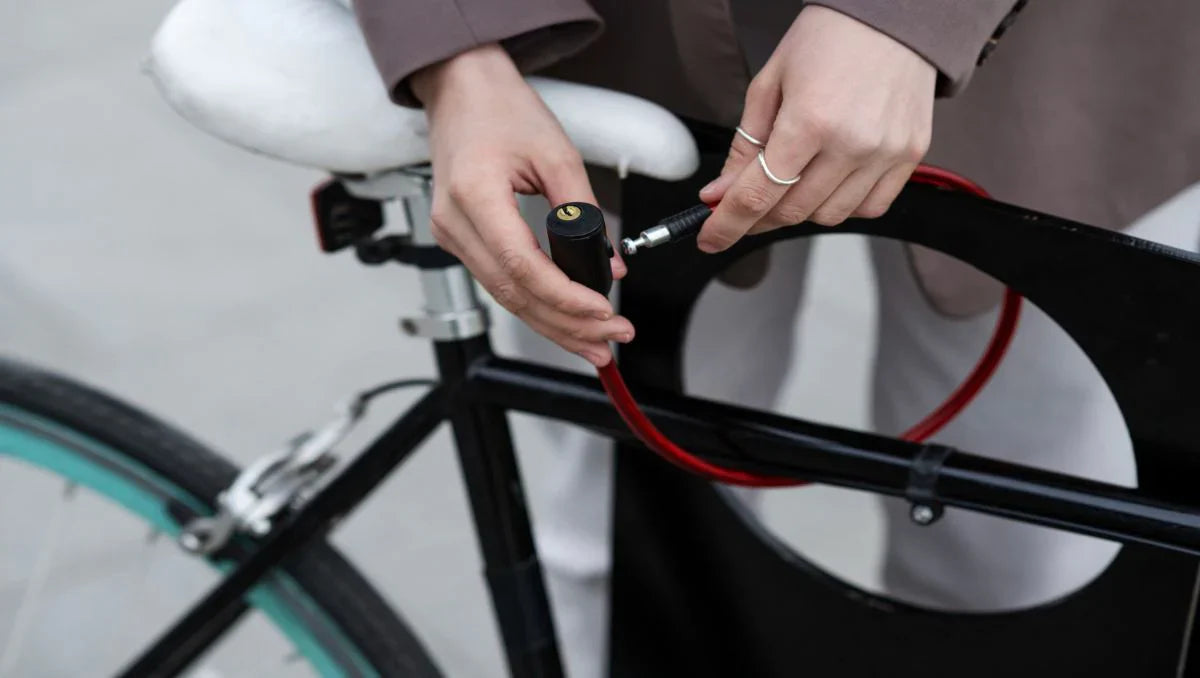
Quick answer: The best way to prevent e-bike theft is to layer your defenses — a high-quality U-lock or chain locked through the frame and a wheel to a fixed object, a hidden GPS tracker, a registered serial number, and smart parking habits (well-lit, high-traffic areas, never left overnight outside). No single step stops a determined thief, but combining two or three makes your bike a much harder target than the one parked next to it.
E-bikes aren't cheap, and thieves know it. Reported e-bike theft is up 25–40% year-over-year in major U.S. cities, and e-bikes are stolen at roughly 2.5x the rate of traditional bicycles. If you just unlocked your superpowers with a new ride, here's how to make sure it stays yours.
Why E-Bikes Are Bigger Targets Than Regular Bikes
A few reasons your e-bike draws more attention than your neighbor's beach cruiser:
-
Resale value. E-bikes typically run $1,500–$6,000, and thieves know they can flip one fast for cash.
-
Parts value. Batteries alone resell for $300–$800 on the used market, so even a locked bike can lose its battery if you're not careful.
-
Predictable opportunity windows. Quick coffee stops, trailhead parking, and charging breaks all create 10–60 minute windows where an unattended e-bike is an easy mark.
-
Weight works against thieves in your favor, but only if you lock smart. A lot of E-bikes are heavy (40–80 lbs), so most thieves cut the lock and roll the bike away rather than lift it — which means lock quality matters more than lock presence.
The Layered Security System
Security pros call this the "layered" approach: every additional layer adds time, noise, or difficulty, and thieves are opportunists who move on when a target gets annoying.
Layer 1 — Lock it right. Run your lock through the frame and a wheel, around something immovable (a bike rack or post, not a flimsy sign). Keep the lock off the ground when possible — ground-level locks are easier to leverage with a bottle jack or hammer.
Layer 2 — Double up. A single lock, however good, only slows one attack method. Pairing a U-lock (resists cutting) with a cable or chain (covers the second wheel) forces a thief to defeat two different tools instead of one.
Layer 3 — Protect the battery separately. If your battery is removable, take it with you for stops longer than 30–60 minutes. A stolen battery is a $300–$800 loss even if the frame stays put.
Layer 4 — Add tracking. A hidden GPS tracker (in the frame, under the seat, or built into the battery compartment) won't stop a theft, but it dramatically improves your odds of recovery — and gives police something to act on.
Layer 5 — Register your serial number. Sites like Bike Index let you register your bike for free. It won't prevent theft, but it matters enormously for recovery and insurance claims if the worst happens.
Layer 6 — Park smart. Well-lit, high-traffic areas beat quiet side streets every time — thieves avoid witnesses. And if you can bring your bike inside overnight (garage, mudroom, apartment storage), do it. Indoor storage is the single biggest theft-risk reducer available to you.
The Superhuman Advantage: Proprietary Charging
Every Superhuman bike ships with a proprietary charger — meaning a stolen bike can't simply be plugged into a generic third-party charger picked up online or at a big-box store. If a thief can't easily power the bike back up, they can't ride it, test it, or represent it as a working e-bike to a buyer, which makes a stolen Superhuman a much harder bike to resell for full value. It's not a substitute for locking your bike properly, but it's one more layer working in your favor — and one more reason thieves tend to target easier, more generic targets first.
Lock Types Compared
|
Lock Type |
Security Level |
Weight |
Typical Price |
Best For |
|---|---|---|---|---|
|
Cable lock |
Low — cut in seconds |
Light |
$10–$25 |
Secondary lock only, never solo |
|
Chain lock |
Medium |
Heavy |
$40–$90 |
Overnight or long-term parking |
|
U-lock |
High — best security-to-weight ratio |
Medium |
$50–$120 |
Daily commuting, quick stops |
|
Folding lock |
Medium-High |
Light-Medium |
$60–$100 |
Riders who want portability without sacrificing much security |
|
Smart lock (GPS + physical) |
Highest |
Medium |
$100–$250+ |
High-value bikes, frequent public parking |
For most riders, a solid U-lock paired with a cable lock for the second wheel covers the majority of real-world theft attempts without breaking the bank.
Frequently Asked Questions
Are e-bikes really stolen more than regular bikes? Yes. E-bikes are stolen at roughly 2.5 times the rate of standard bicycles, largely because of their higher resale value and the demand for their batteries and motors on the used parts market.
Where do most e-bike thefts happen? Most thefts occur in public places — parking lots, sidewalks, and outside shops or offices — during short unattended windows. A meaningful share also happen in residential areas, so "it's parked at home" isn't a security plan on its own.
Does e-bike insurance actually help? Insurance won't prevent a theft, but it can offset the financial loss if one happens. If you're relying on homeowner's or renter's insurance, check the fine print — many policies cap electronics/sporting goods coverage well below what an e-bike costs to replace, and some require proof of a specific lock type to pay a claim.
Should I remove my battery every time I park? For quick errands in a visible area, it's optional. For anything over 30–60 minutes, or if you're parking somewhere less visible, yes — removable batteries are one of the most frequently targeted components on their own.
What should I do if my e-bike is stolen? Report it to police immediately (only about a third of victims do, which hurts recovery odds industry-wide), file an insurance claim if applicable, post your registered serial number and photos to Bike Index and local community groups, and check secondhand marketplaces in your area.
Riding Smart Protects the Investment
Preventing e-bike theft isn't about paranoia — it's about matching a little effort up front to how much your ride actually matters to your daily life. If you're weighing whether an e-bike is worth it in the first place, protecting that investment with a couple smart habits is part of the answer. And if you're commuting daily — arguably the highest-risk pattern for opportunistic theft — pairing the right bike with the right lock routine matters even more; see our guide to the best e-bike for commuting for bikes built for that use case.
However you ride, the League of Superhumans doesn't leave things to chance — lock it up, track it, register it, and get back to enjoying the ride.
P.S, take a peek at some of our epic e-bikes below
 F5 Trail
 Bomber
 The Babymaker
 The Moonrider
Share:
Best E-Bike for Hilly Cities and Steep Climbs (San Diego Edition)
E-Bike Weight Limits Explained: How Much Weight Can an E-Bike Carry? (2026 Guide)