



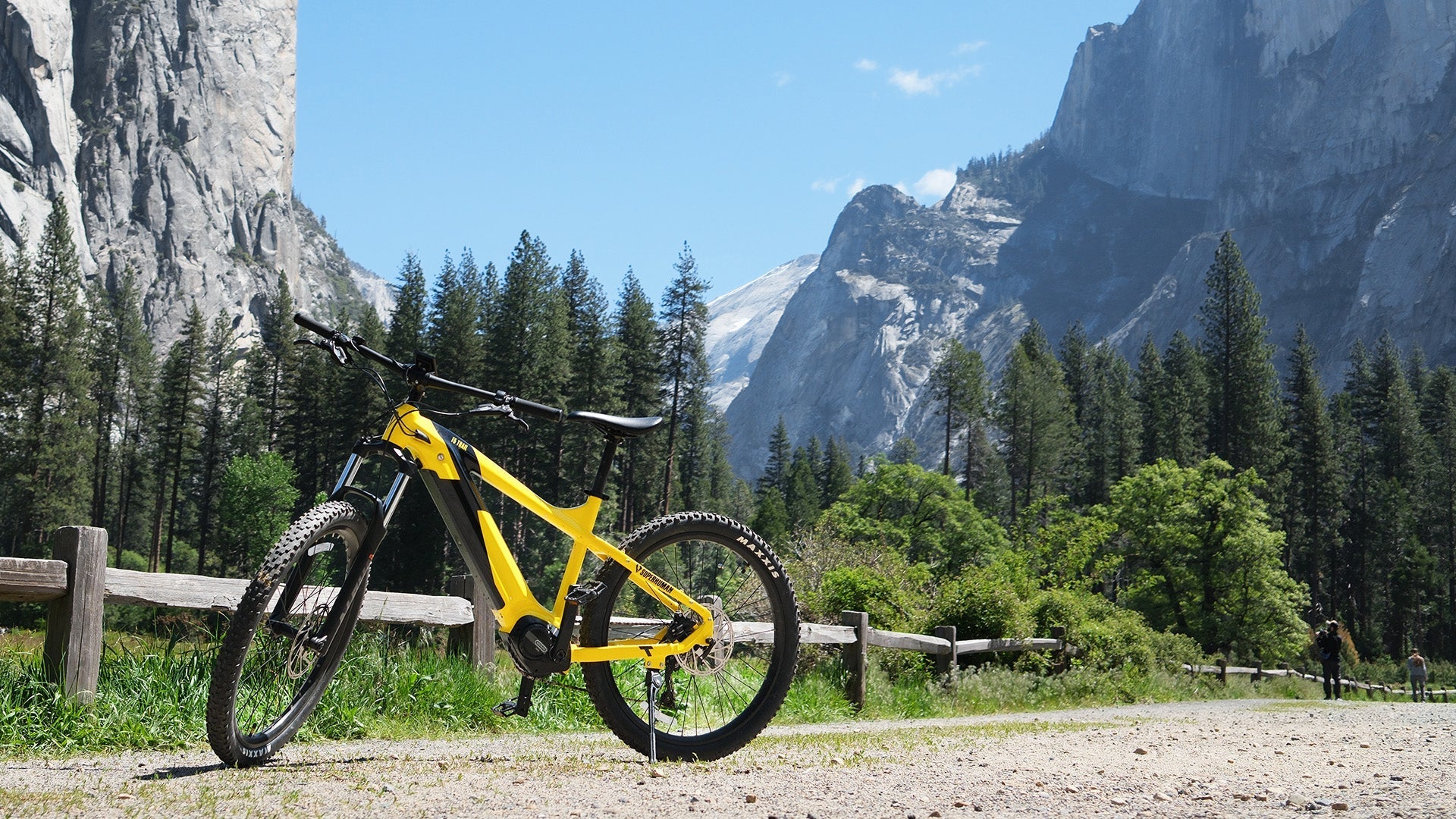
Quick answer: Most quality e-bikes are rated to carry between 250 and 300 lbs total — that's rider weight plus anything you're carrying, not just body weight. The number matters more than most riders realize: go over it and you lose motor efficiency, stopping power, and range, and you put extra wear on the frame. Every model in the Superhuman Bikes lineup, from the 33 lb Babymaker II Pro to the 88 lb Bomber, carries the same 275 lb rated weight capacity.
If you've ever searched "what's the weight limit for an e-bike" or wondered whether you're too heavy for the bike you're eyeing, this one's for you.
What "Rated Weight Capacity" Actually Means
A bike's rated weight capacity (sometimes called payload capacity or maximum load) isn't just how much the rider weighs. It's the total weight the frame, motor, and components are engineered to carry safely — that means:
-
Your body weight
-
Everything in your backpack or pockets
-
Anything strapped to a rear rack or panniers
-
Water bottles, locks, phone mounts — all of it
So if a bike is rated for 275 lbs and you weigh 230 lbs with a 20 lb backpack, you're already at 250 lbs — closer to the limit than "230 lbs" alone would suggest.
Why Weight Capacity Matters (It's Not Just Fine Print)
Motor performance. A motor rated to move a certain load works harder — and less efficiently — the closer you get to its limit. That's especially true climbing hills, where a hub motor under heavy load can bog down noticeably faster than a mid-drive motor delivering torque through the drivetrain. (More on that below.)
Battery range. More weight means the motor draws more power on every pedal stroke or throttle twist, which eats into your range per charge. If you're near the upper end of a bike's weight rating, expect range on the lower end of the advertised figure.
Braking distance. Physics doesn't negotiate — more mass takes more force to stop. This is one reason every Superhuman model ships with hydraulic disc brakes rather than mechanical ones, regardless of price point.
Frame and component life. Riding consistently at or over a bike's rated capacity accelerates wear on the frame, wheels, spokes, and suspension. It's the difference between a bike that lasts a decade and one that needs early repairs.
How Much Weight Can Most E-Bikes Carry? (Industry Averages)
Weight ratings vary a lot across the e-bike market:
-
Entry-level and budget e-bikes: often rated around 220–250 lbs
-
Mid-range and performance e-bikes: typically 275–300 lbs
-
Heavy-duty and cargo e-bikes: built specifically for higher loads, sometimes 350+ lbs
The number usually lives on the manufacturer's spec sheet under "weight capacity," "payload capacity," or "max load" — always worth checking before you buy, especially if you're on the higher end of average rider weight or plan to carry cargo regularly.
Superhuman Bikes Weight Capacity: Every Model, One Number
Here's where it gets simple. A lot of brands rate capacity differently model to model — a lightweight commuter bike might carry less than a beefier trail bike. Superhuman doesn't do that. Every current model is rated at 275 lbs, regardless of bike weight, motor type, or price:
|
Model |
Bike Weight |
Motor Type |
Rated Weight Capacity |
|---|---|---|---|
|
Babymaker II Pro |
33-35 lbs |
Hub |
275 lbs |
|
Babymaker II Classic |
32 lbs |
Hub |
275 lbs |
|
Photon |
43-46 lbs |
Hub |
275 lbs |
|
Moonrider |
59 lbs |
Mid-Drive |
275 lbs |
|
F5 Trail |
61 lbs |
Mid-Drive |
275 lbs |
|
Blade 2.0 |
64 lbs |
Mid-Drive |
275 lbs |
|
Weapon |
58 lbs |
Mid-Drive |
275 lbs |
|
Bomber |
88 lbs |
Hub |
275 lbs |
That means whether you want the stealthy 33 lb Babymaker for city commuting or the fat-tire Bomber for sand and trails, you're not sacrificing weight capacity for style or portability.
What Actually Counts Toward the Limit
Worth repeating: it's not just you on the scale. Add up:
-
Body weight
-
Backpack, groceries, or delivery bags
-
Anything mounted to a rear rack (Weapon, Moonrider, F5 Trail, Blade 2.0, Bomber, and Photon all have rear rack mounts)
-
A passenger, if the bike has a bench seat (like the Bomber)
If you're regularly commuting with a loaded bag or hauling gear, build that into your math — not just your body weight on its own.
Motor Type Matters More Than the Number Once You're Near the Limit
Here's the nuance that a single weight rating doesn't capture: two bikes can both be rated for 275 lbs and still feel very different under a heavier load, especially on hills.
Superhuman's mid-drive models — Moonrider, F5 Trail, Blade 2.0, and Weapon — deliver power through the drivetrain, using the bike's gears for mechanical advantage on climbs. That means a heavier rider still gets strong, efficient assist going uphill.
Hub-drive models — Babymaker II, Photon, and Bomber — deliver power directly to the wheel. They're lighter, simpler, and lower-maintenance, and they handle flat and moderately hilly commutes well. But under a heavier total load on steep, sustained climbs, a hub motor works harder than a mid-drive would at the same weight.
So if you're on the higher end of the weight range and ride hilly terrain regularly, a mid-drive model is the better match — not because of a different weight rating, but because of how it delivers power.
Signs You're Riding Too Close to the Limit
-
Noticeably reduced range compared to advertised figures
-
The motor struggling or overheating on climbs it used to handle fine
-
Longer stopping distances than expected
-
Visible sag in the suspension or tires needing more frequent air
None of these mean something's wrong with the bike — they're just signs it's time to check your total load against the rated capacity.
FAQ
What is the average weight limit for an e-bike? Most e-bikes on the market are rated between 250 and 300 lbs total, though budget models can be lower and heavy-duty cargo bikes can rate significantly higher.
What is the weight capacity of Superhuman e-bikes? Every Superhuman Bikes model — including the Babymaker II, Photon, Moonrider, F5 Trail, Weapon, Blade 2.0, and Bomber — is rated for a 275 lb total weight capacity (rider plus cargo).
Does rider weight include cargo and gear? Yes. Rated weight capacity is a total figure — it includes your body weight plus anything you're carrying, such as a backpack, rack-mounted cargo, or a passenger.
Can I ride an e-bike if I weigh over 250 lbs? Yes, as long as your total weight (body plus cargo) stays within the bike's rated capacity. At 250 lbs body weight with minimal cargo, a bike rated for 275 lbs still has margin — just be mindful of what you're carrying on top of that.
Does exceeding the weight limit void the warranty? Manufacturer warranties typically cover defects in materials and workmanship, not damage caused by riding beyond the bike's rated specifications. Staying within the rated capacity protects both your warranty coverage and the bike's components.
Is a mid-drive or hub motor better for heavier riders? Both can handle the same rated weight capacity, but mid-drive motors (like those on the Moonrider, F5 Trail, Blade 2.0, and Weapon) deliver power more efficiently on hills because they use the drivetrain's gearing. Hub motors (Babymaker II, Photon, Bomber) are excellent for flatter terrain and everyday commuting.
Not sure which Superhuman bike fits your ride and weight? Compare the full lineup here or check out our mid-drive vs. hub motor breakdown for more on how motor type affects performance.
Share:
E-Bike Theft Prevention: The Complete Guide to Protecting Your Investment
How Much Do E-Bikes Weigh? Real-World Weight Guide by Model (2026)