



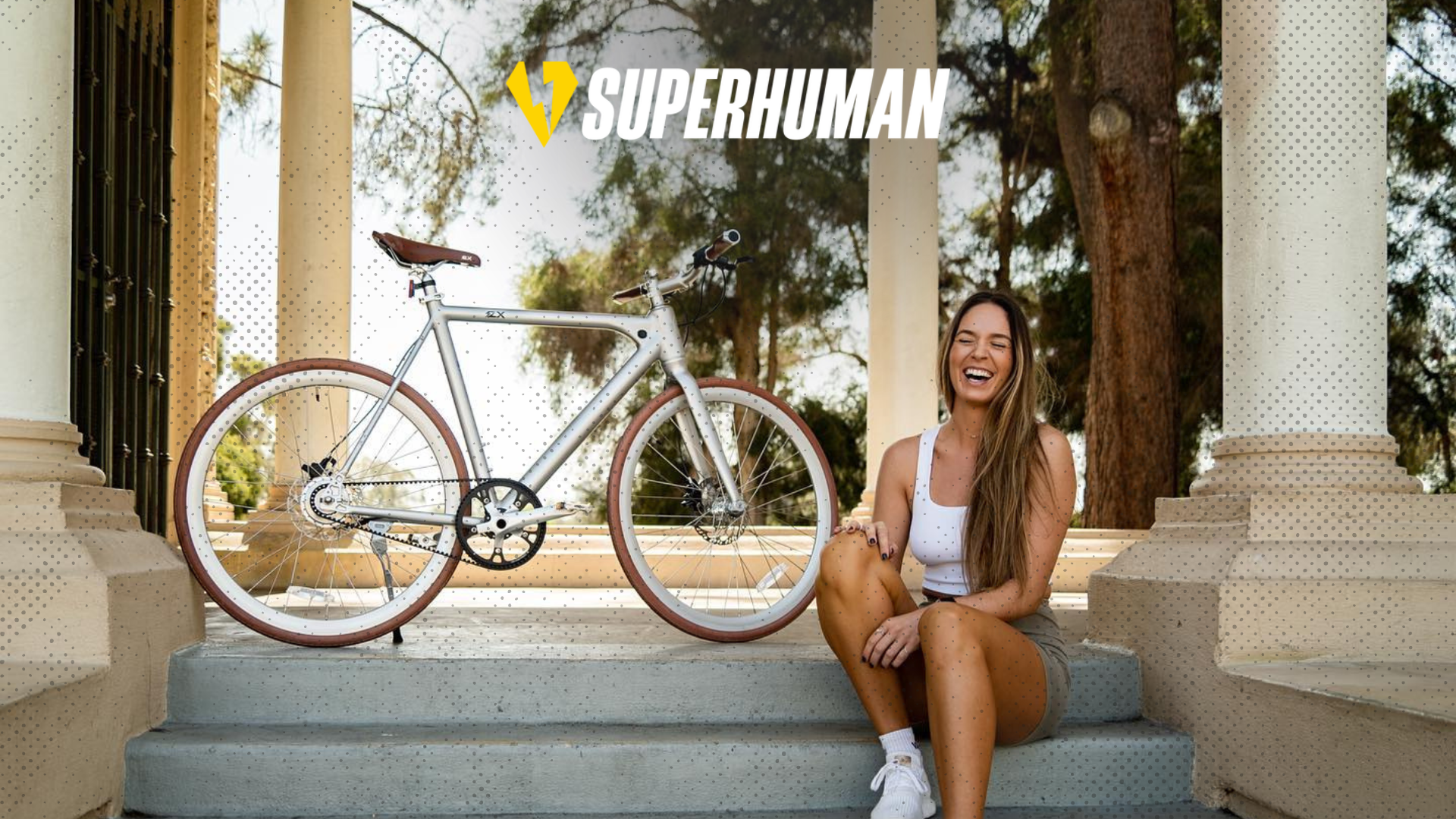
Let’s face it; with the cost of gas more unreliable than Cousin Eddie at Christmas, everyone and their mother wants an e-bike. They’re sleek. They’re fuel efficient. And they’re just plain fun.
But the problem is…
Everyone wants a flashy new e-bike. But no one is willing to do the research to make sure you’re not getting a dud with that low, low price.
With e-bike popularity on the rise, the ticket price is becoming more and more affordable. Especially for commuters cashing in on the recent electric bike tax credit introduced in the spring of 2023.
But CHEAP bikes still exist. And people are flocking to them like flies to….
Newsflash! What might sound like a great deal right now will definitely end up costing you a boatload in the future.
As a quality e-bike proprietor and cycling nerd, I feel it’s my duty to make sure you know exactly what you’re getting yourself into when you go for the cheapest price tag.
In this article, you’ll find the 7 big reasons why a cheap e-bike could end up costing you A LOT more than the boujee one would have in the long run.
First, you need to understand that there’s a difference between cheap & affordable…
This should go without saying, but cheap and affordable are not the same thing. Especially when it comes to performance equipment like an electric bicycle.
Many, many good quality e-bikes are trending on the affordable end of the spectrum these days. But you’re still going to be spending a pretty penny for a reliable cycle.
On the other hand, there are tons of cheap bikes flooding the market.
Normally, we could point to the country of origin to determine whether it’s a good buy or not. But since electric bikes have been huge in the Eastern world for many years, they’ve cornered the market on the best tech components and designs. Most of the best bikes on the market are made overseas, at least in some part.
Spotting the difference between an affordable and a cheap e-bike involves much more than just looking at the price or the "Made In" tag. Too much to cover in this article.
But as a general rule of thumb, quality commuter and casual e-bikes can range from $1,000 to $3,000. With performance and specialty bikes heading up into the 5-figures.
Think about it this way: You wouldn’t drop less than $30k on a classic Chevelle in mint condition without wondering WTF is wrong with it behind the scenes, would you? If it seems like it’s too good to be true, it probably is.
But I digress…here are 7 reasons a cheap e-bike will cost you more in the long run.
1. Quality, durability, and reliability concerns with cheap e-bikes.
The cost of an e-bike is directly proportional to the quality of its components. Period.
The cheaper the bike, the cheaper the materials used to make it. And the higher the chance those components could fail when you need them most.
The last thing you need on your commute is for shoddy materials and workmanship to leave you stranded. Or, worse, cause an accident.
2. Inadequate battery life and performance.
The battery and motor are arguably the most expensive elements of an electric bike. And the price tag is usually directly related to their size and output.
That's why you rarely see cheap bikes with substantial battery ranges or high-speed ratings.
3. Performance limitations of cheap e-bikes.
As a general rule, higher-quality e-bikes are made with superior materials. Which means lighter and stronger. Which means a smoother, more reliable and enjoyable ride every time.
However, those materials can cost a pretty penny. Which is why cheap bikes are usually SO heavy and clunky. Sure, they cost half the price. But your butt will be sore just 30 seconds into your ride.
Plus, cheaper bikes tend to be pretty bare-bones in the features department. While quality bikes have more options like beefy suspension systems, tighter brakes, and reliable tire tread.
We’re not even talking about the cool bells and whistles yet. Just the bare minimum to call it a bicycle!
You’ll always end up wishing for more performance from your cheap e-bike at the end of the day.
4. Maintenance and repair costs of cheap e-bikes.
One major misconception that newbies have had about e-bikes is that they cost a fortune to maintain. While that’s not true for many high-end brands and models, we do have a sneaking suspicion that cheap e-bikes are the reason people think that.
With the lesser quality components and materials, you’re bound to have bigger repair bills. Pushing a cheap e-bike past its limits is easier than you think. Especially if you’re used to your ride being able to keep up with your adventurous lifestyle.
5. Limited warranty and customer support.
Since 1-4 are common earmarks of a cheap e-bike, you can imagine that the warranty and customer support for those bikes is minimal at best. The bikes aren’t meant to last a lifetime.
6. Safety risks associated with cheap e-bikes.
If you consider everything that we’ve mentioned so far, it’s safe to say that cheap e-bikes are ANYTHING but safe.
Reduced quality components. Poor performance. Zero accountability.
No thanks.
They might be fun for a little zip around the cul-de-sac once a month. But that’s about it. I wouldn’t trust them as far as I could throw them.
7. Last, but not least, cheap bikes are usually ugly AF.
Seriously, find a good-looking e-bike under $500. I’ll wait.
Here’s the truth; not all cheap e-bikes are bad news. But most are.
I’m not saying you have to shell out $10k for a decent e-bike that can get you to and from work safely. I’m just saying don’t jump on the first deal you find.
There are some good brands out there that have found the sweet spot between quality and affordability. They’re just not always obvious.
So if you see an offer that seems too good to be true, dig a little deeper.
If you want a really great ride AND want to save a little green, here are the top things I recommend:
- Do your research.
- Watch for sales.
- Subscribe to social media and newsletters for brands you like.
- Ask in popular e-bike forums.
Finding the right fit for you and your wallet is possible.
If you want to stay on top of what’s new and true in the world of electric bikes, subscribe to get the latest in your inbox as it happens.
Share:
The Photon is Funded - Thank you Giveaway
Riding Into the Future Safely: Superhuman’s Guide to eBike Precautions